
Managing weekly payroll leaves virtually zero margin for error. For HR and finance professionals, the relentless seven-day cycle means a single data discrepancy can quickly trigger a cascade of employee dissatisfaction and compliance risks.
Before implementing quick fixes, organizations must recognize that recurring errors are rarely isolated incidents; they are symptomatic of fragmented communication channels. Establishing a standardized resolution protocol grants teams the agility to correct miscalculations instantly, safeguarding both operational budgets and employee trust.
However, tools are only as effective as the workflows supporting them. While standardized resources-such as Discrepancy Log Sheets and Underpayment Adjustment Forms-provide a solid foundation, they must be tailored to your specific workforce management system to be truly effective. Below, we outline actionable recovery templates, communication strategies, and preventive measures designed to permanently stabilize your weekly payroll cycle.
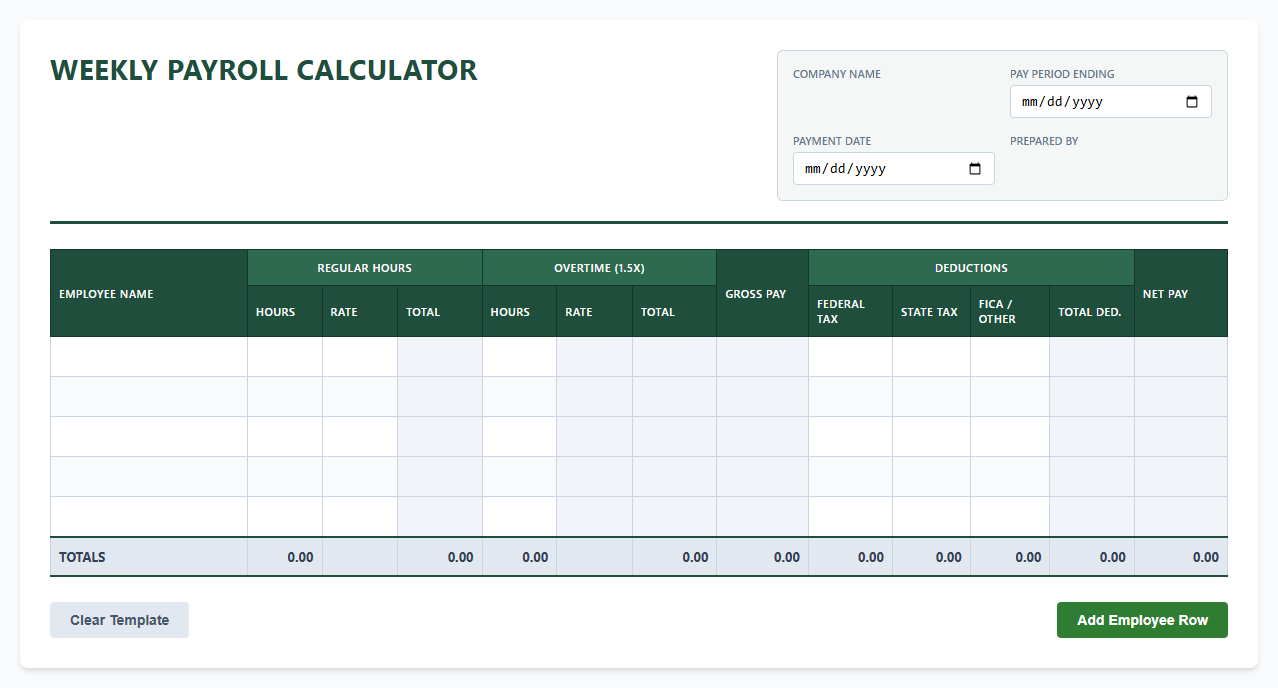
Weekly Payroll Calculator Spreadsheet
 Download: .PDF
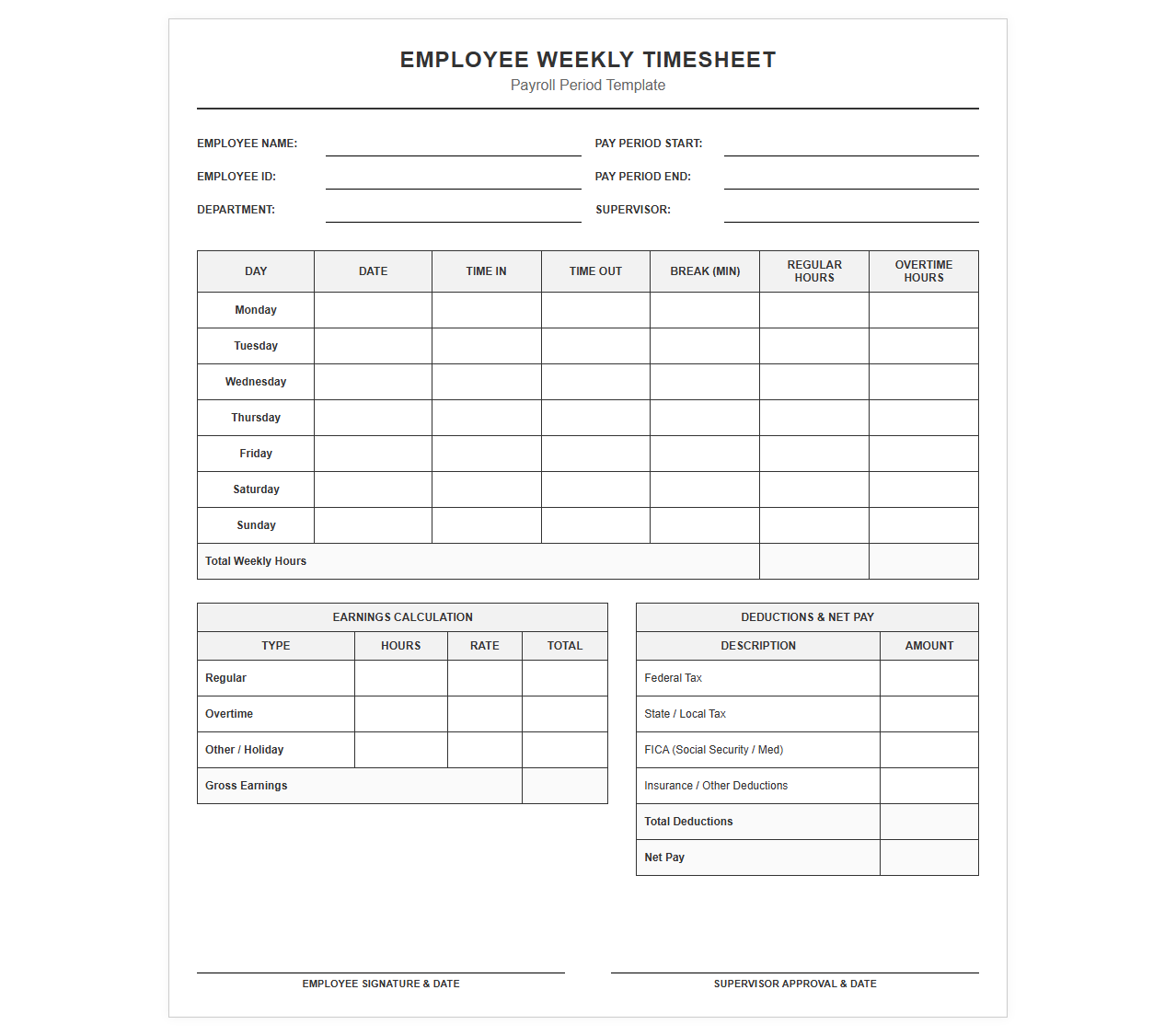
Employee Weekly Timesheet and Payroll Template
 Download: .PDF
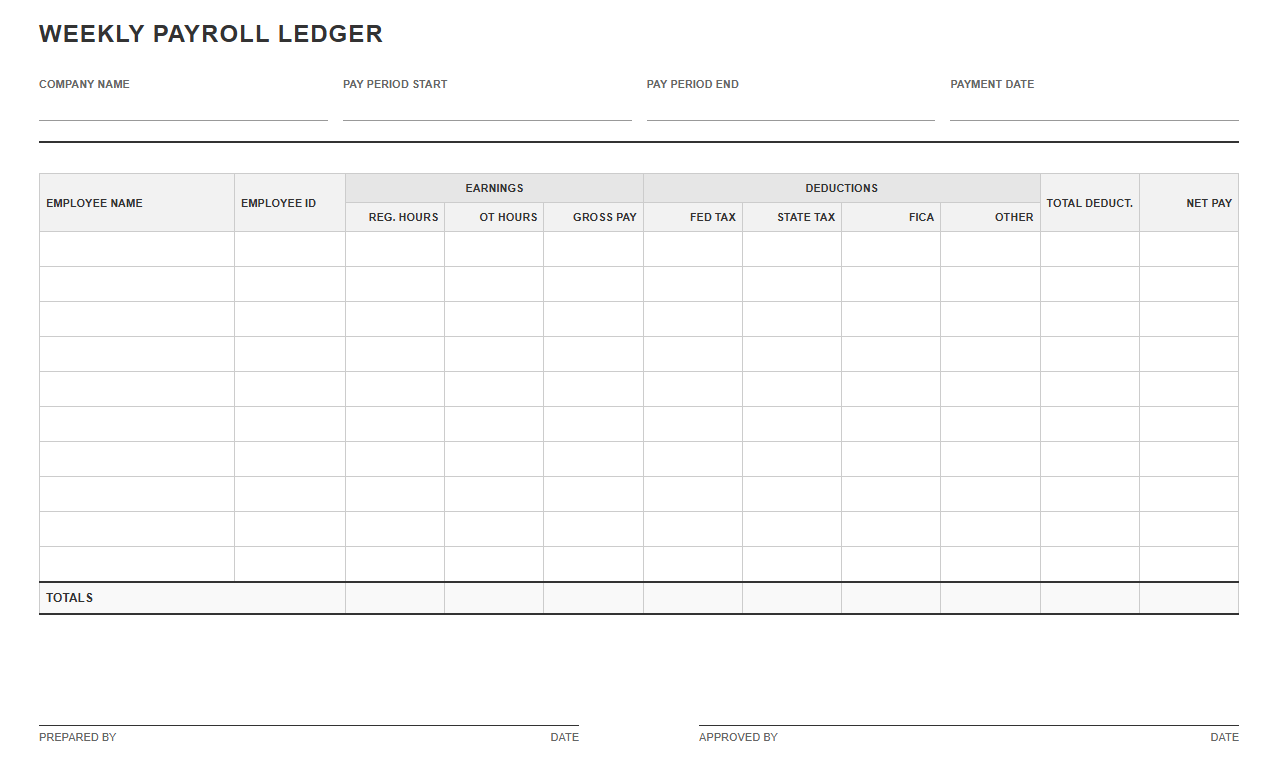
Weekly Pay Period Payroll Ledger
 Download: .PDF
Hourly Employee Weekly Payroll Register
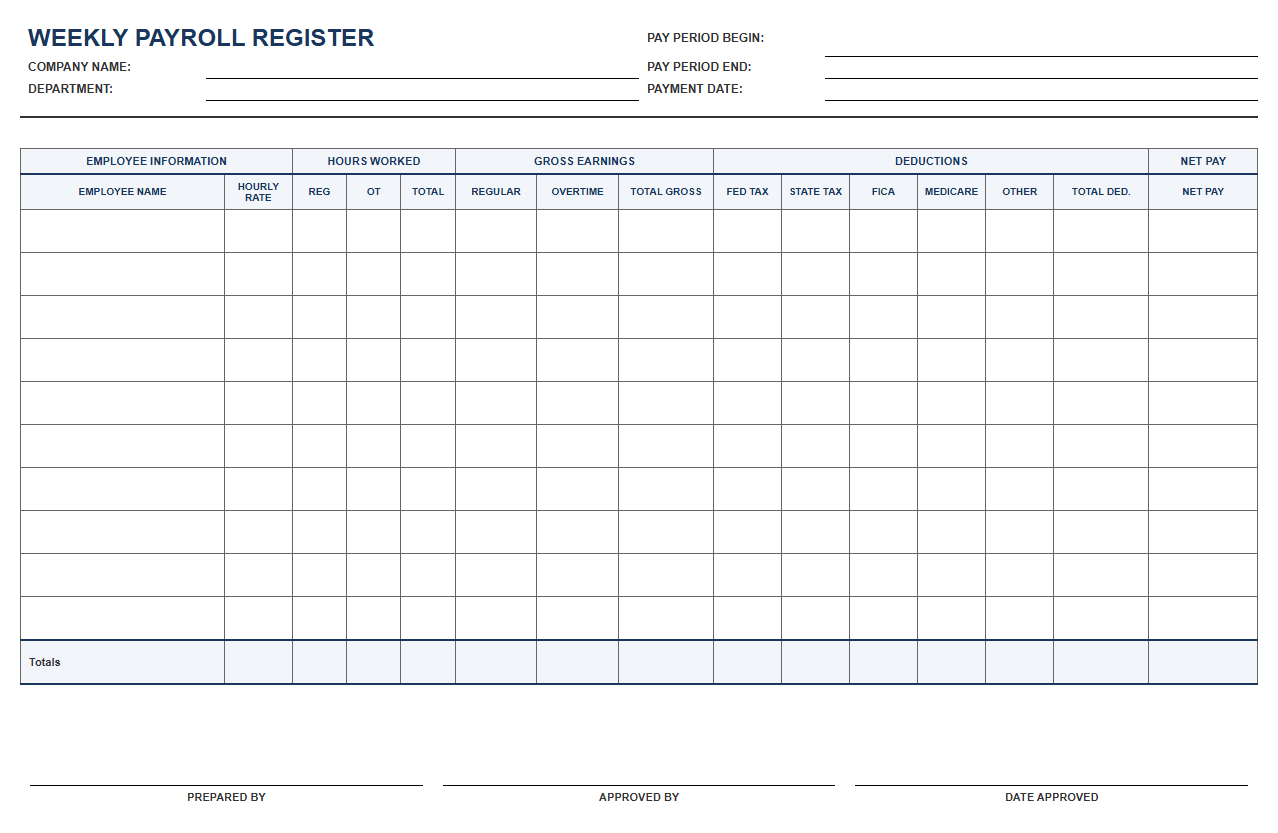 Download: .PDF
Weekly Payroll Calculator with Tax Deductions
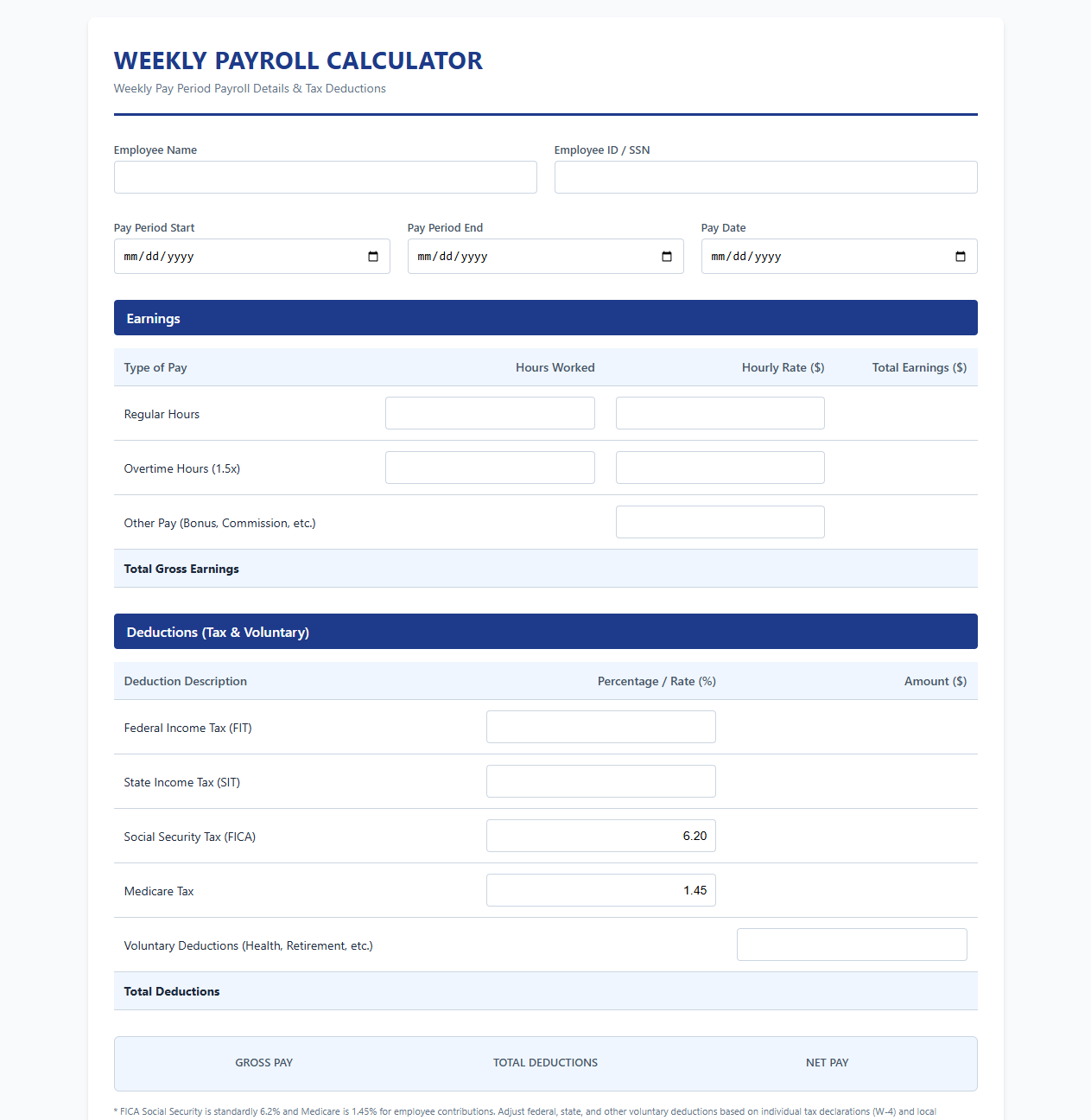 Download: .PDF
Simple Weekly Pay Sheet Template
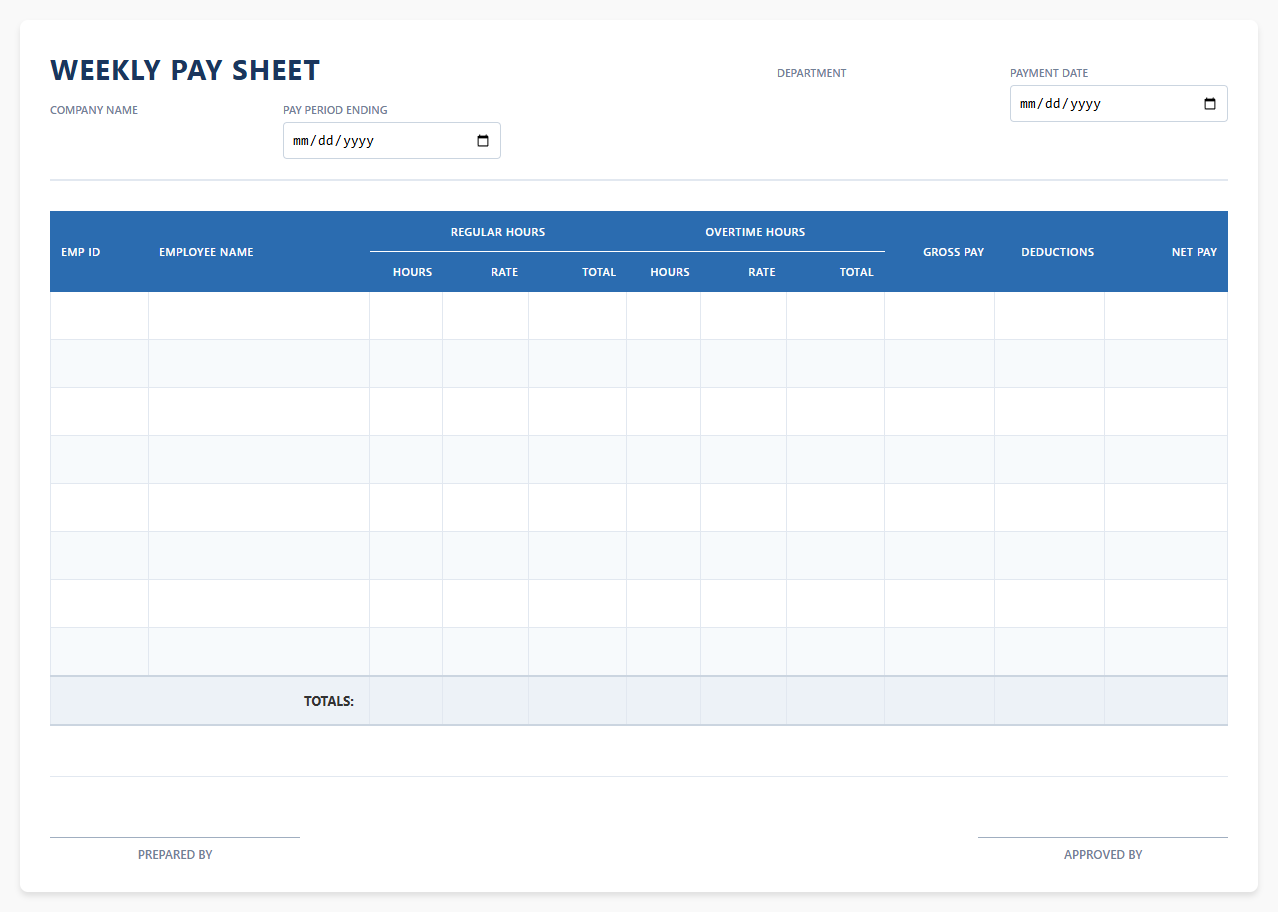 Download: .PDF
Automated Weekly Payroll Processing Template
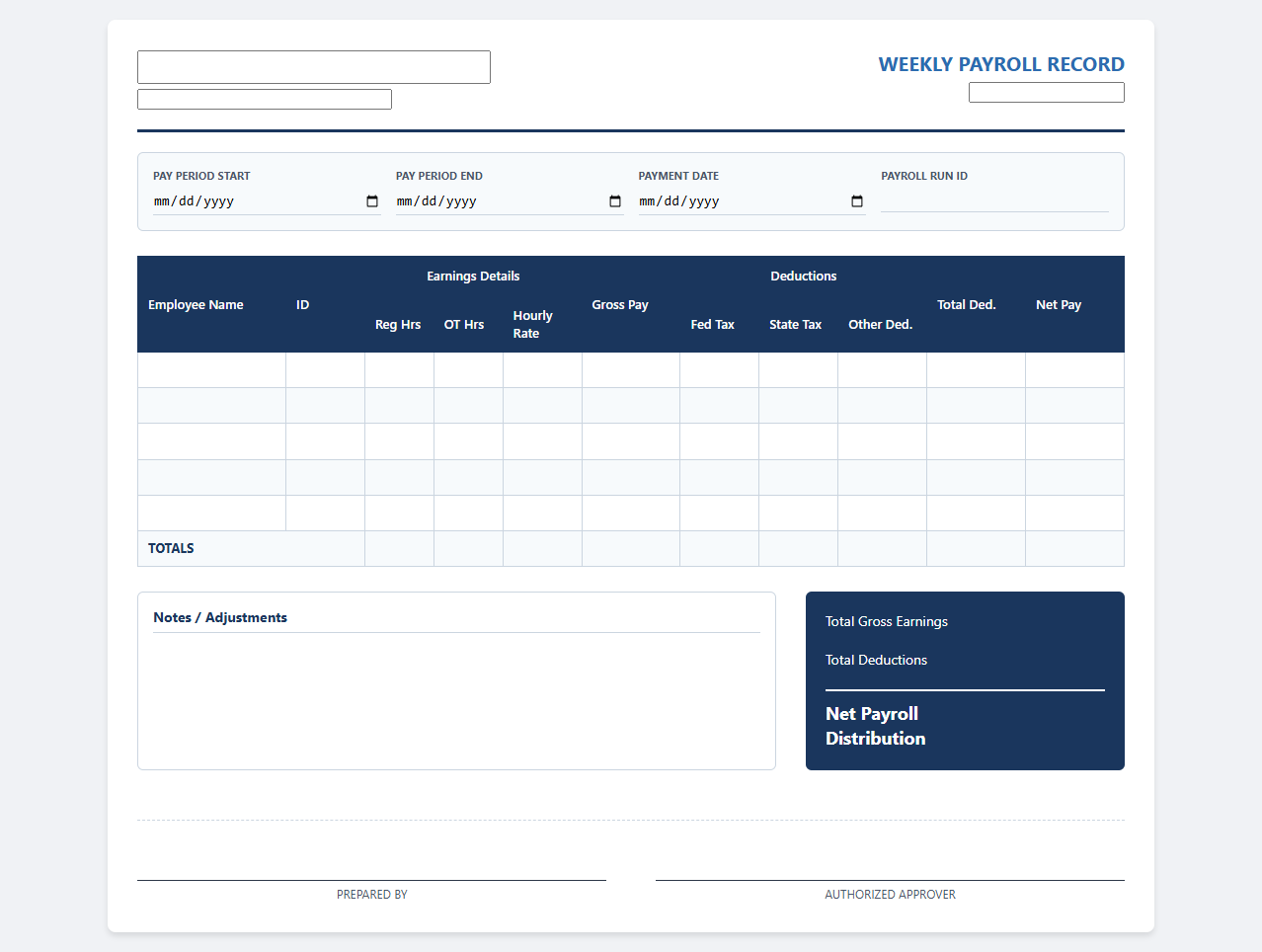 Download: .PDF
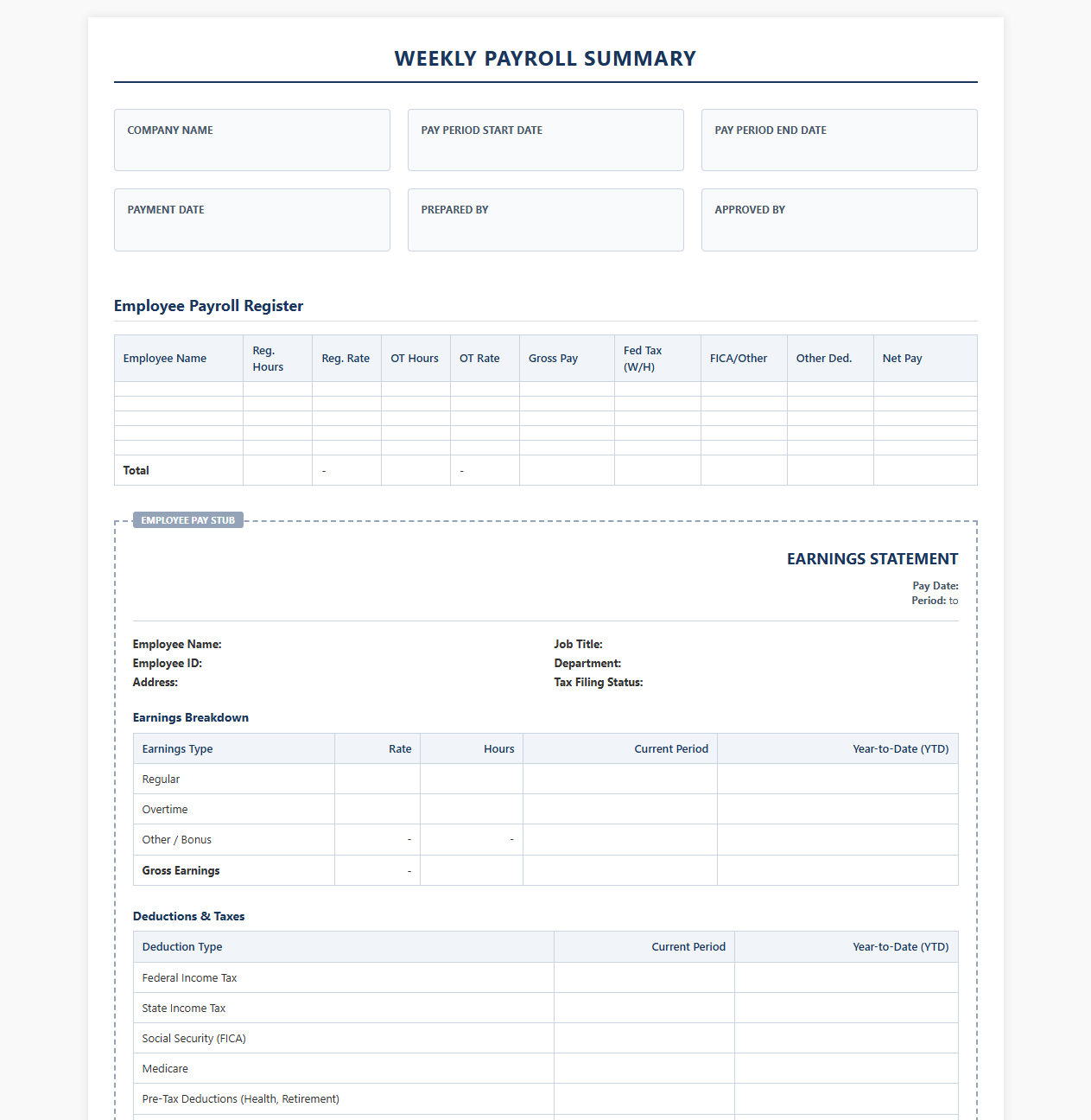
Weekly Payroll Summary and Pay Stub Template
 Download: .PDF
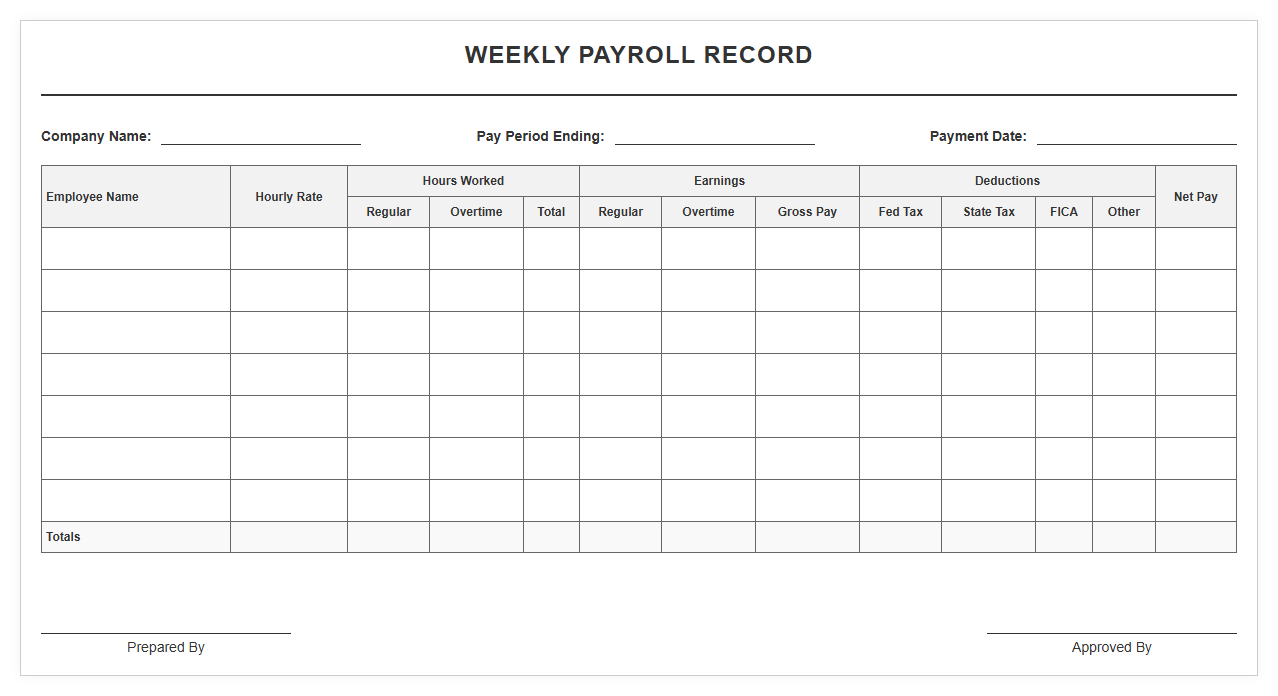
Small Business Weekly Payroll Record
 Download: .PDF
Understanding the Impact of Weekly Payroll Errors
Weekly payroll cycles offer significant benefits for hourly workers, but their high frequency leaves payroll administrators with very narrow processing windows. This constant time pressure makes weekly cycles highly prone to administrative oversights. When mistakes occur, the consequences extend far beyond simple administrative inconvenience. Financial penalties can accumulate rapidly, as tax authorities impose stiff fines for underreported earnings or late deposits.
In addition to direct financial costs, organizations face severe legal liabilities under federal and state labor laws, such as the Fair Labor Standards Act (FLSA). Failing to compensate employees accurately and on time can lead to wage and hour lawsuits, liquid damages, and costly compliance audits. Maintaining a flawless payroll process is therefore essential to preserving both regulatory compliance and employee trust.
Identifying Common Weekly Payroll Discrepancies
To prevent systemic payroll errors, organizations must first understand where the calculations most frequently break down. The accelerated pace of weekly processing typically exposes vulnerabilities in three main areas:
- Timecard Mismatches: Discrepancies between actual hours worked and hours submitted, often caused by missed punches, manual entry errors, or unapproved early clock-ins.
- Incorrect Tax Withholdings: Applying outdated W-4 information, miscalculating local tax jurisdictions, or failing to adjust withholdings for employees who work across multiple state lines.
- Miscalculated Overtime: Failing to apply the correct premium rates for hours worked beyond the standard 40-hour limit, or incorrectly classifying non-exempt employees.
Standard Operating Procedure for Error Detection
Implementing a rigid verification routine before finalizing the weekly pay cycle is the most effective way to catch discrepancies. Administrators should execute the following sequence every week:
- Verify that total submitted hours align with pre-approved schedules using the command
run timecard_audit_report. - Scan the database for flag warnings such as
error_unapproved_overtimeor missing punches. - Reconcile the payroll preview register against the master employee database to confirm active employment status.
- Execute a tax validation query using
verify_withholding_ratesto ensure tax brackets match current local requirements.
The Payroll Error Correction Template
When discrepancies bypass initial checks, teams need a standardized tracking system to log and resolve issues. The following table provides a structured framework for managing the resolution lifecycle:
| Ticket ID | Employee Name | Error Type | Under/Overpayment Amount | Resolution Action | Status |
|---|---|---|---|---|---|
| PAY-2024-001 | Sarah Jenkins | Overtime Miscalculation | +$150.00 (Underpayment) | Issue manual check | Resolved |
| PAY-2024-002 | Marcus Vance | Incorrect Tax Withholding | -$45.00 (Overpayment) | Adjust next pay cycle | Pending |
Communication Templates for Affected Employees
Clear, empathetic, and rapid communication is vital when resolving wage discrepancies. Below are standard notifications to issue once an error is identified:
For cases involving underpayment, use this notification template:
Subject: Correction to Your Recent Paycheck
Dear Employee,
We identified an administrative discrepancy in your payroll check dated [Date].
Our records indicate you were underpaid by [Amount] due to [Error Reason].
We sincerely apologize for this inconvenience. A correction payment has been
processed and will be deposited into your account by [Resolution Date].
Sincerely,
Payroll Department
Post-Resolution Review and Auditing
Fixing the immediate financial error is only the first step. To ensure long-term stability, payroll managers must perform a thorough post-mortem audit. This process involves analyzing the root cause of the breakdown to determine whether it stemmed from human error, system limitations, or faulty communication channels.
By documenting each incident, teams can identify recurring patterns and update internal documentation. Ensuring that lessons learned are integrated directly into standard training protocols prevents similar oversights from repeating in future processing windows.
Establishing a Bulletproof Weekly Pay Cycle
Securing a highly accurate weekly payroll system requires a combination of modern technology and proactive staff development. Transitioning away from legacy, manual processes reduces human touchpoints, thereby eliminating the primary source of calculation errors. To build a highly resilient payroll system, organizations should invest in automated time tracking and integrated cloud solutions. Learn more about optimizing your workforce management systems by visiting our dedicated Payroll Compliance and Automation Portal, where we detail advanced strategies for zero-error processing.
Leave a comment