
Mobile merchants often struggle with post-transaction friction, frequently caused by confusing, poorly formatted digital confirmations that leave customers questioning whether their payment was actually successful. To resolve this, we must first examine the broader mobile checkout ecosystem, where the transition from payment gateway to confirmation serves as the final, critical touchpoint of the user journey.
Utilizing professionally designed receipt templates immediately elevates brand credibility, reducing chargeback rates while fostering long-term customer trust. However, simply adopting a template is not a cure-all; businesses must strategically configure these documents to ensure seamless cross-device rendering and regulatory compliance. Incorporating concrete elements like SMS-optimized layouts, instant PDF download links, and dynamic merchant logos transforms static billing records into active customer touchpoints.
In this article, we will outline the essential anatomy of mobile-first receipts, integration techniques for digital wallets, and actionable steps to optimize your post-purchase workflow.
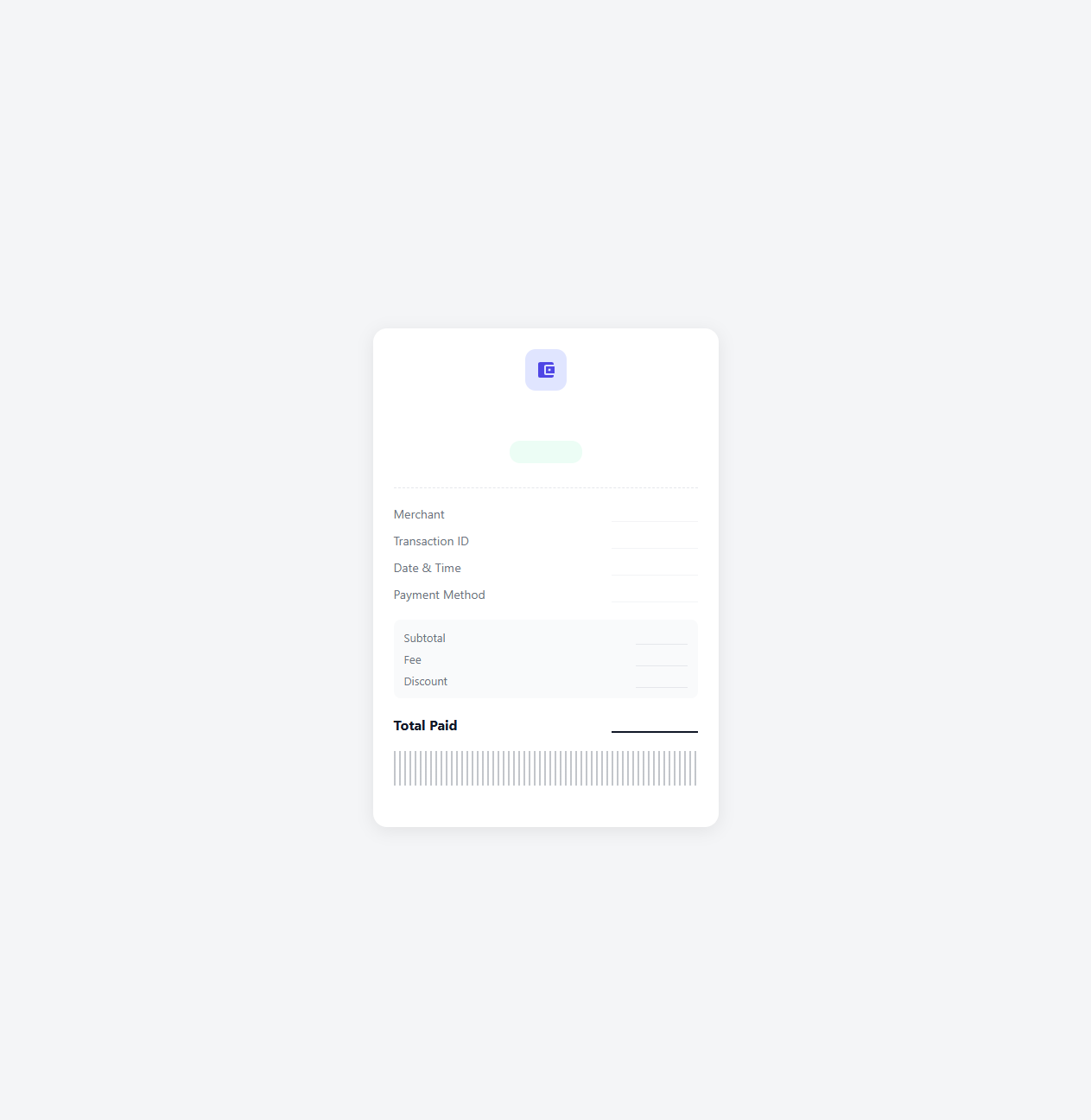
Digital Wallet Transaction Receipt Template
 Download: .PDF
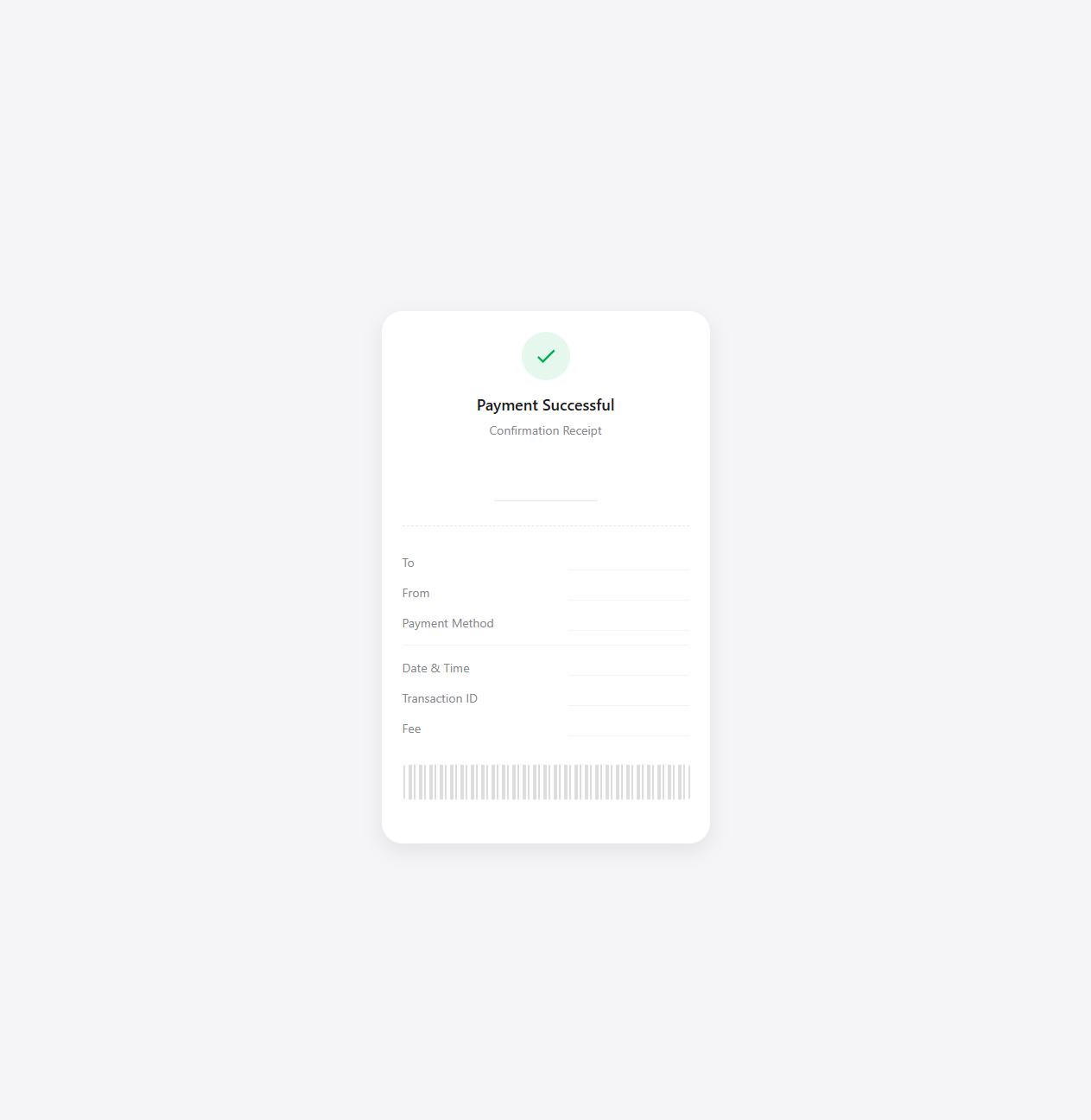
Mobile App Payment Confirmation Receipt
 Download: .PDF
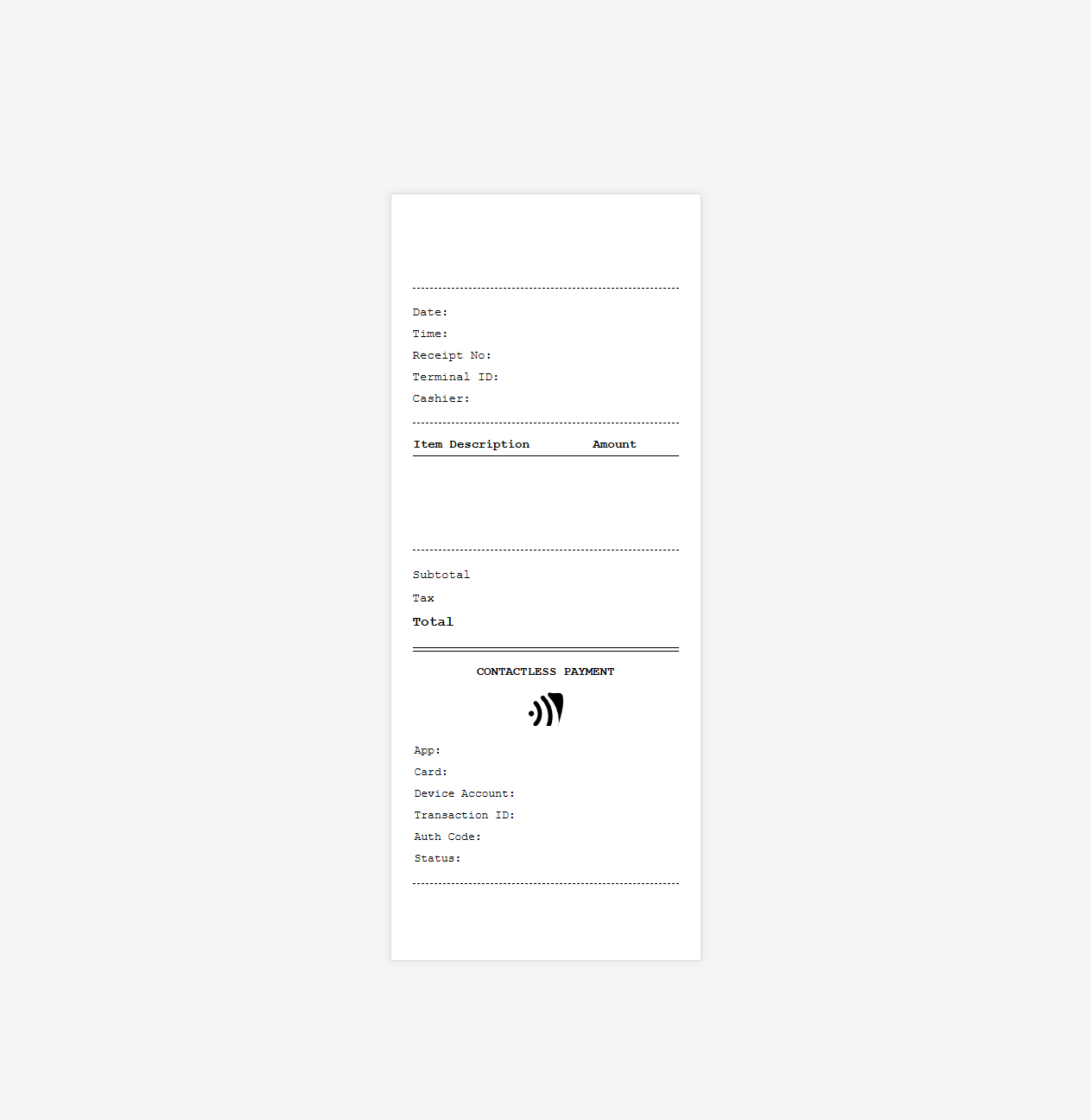
Contactless Mobile Payment Customer Receipt
 Download: .PDF
QR Code Mobile Payment Receipt Template
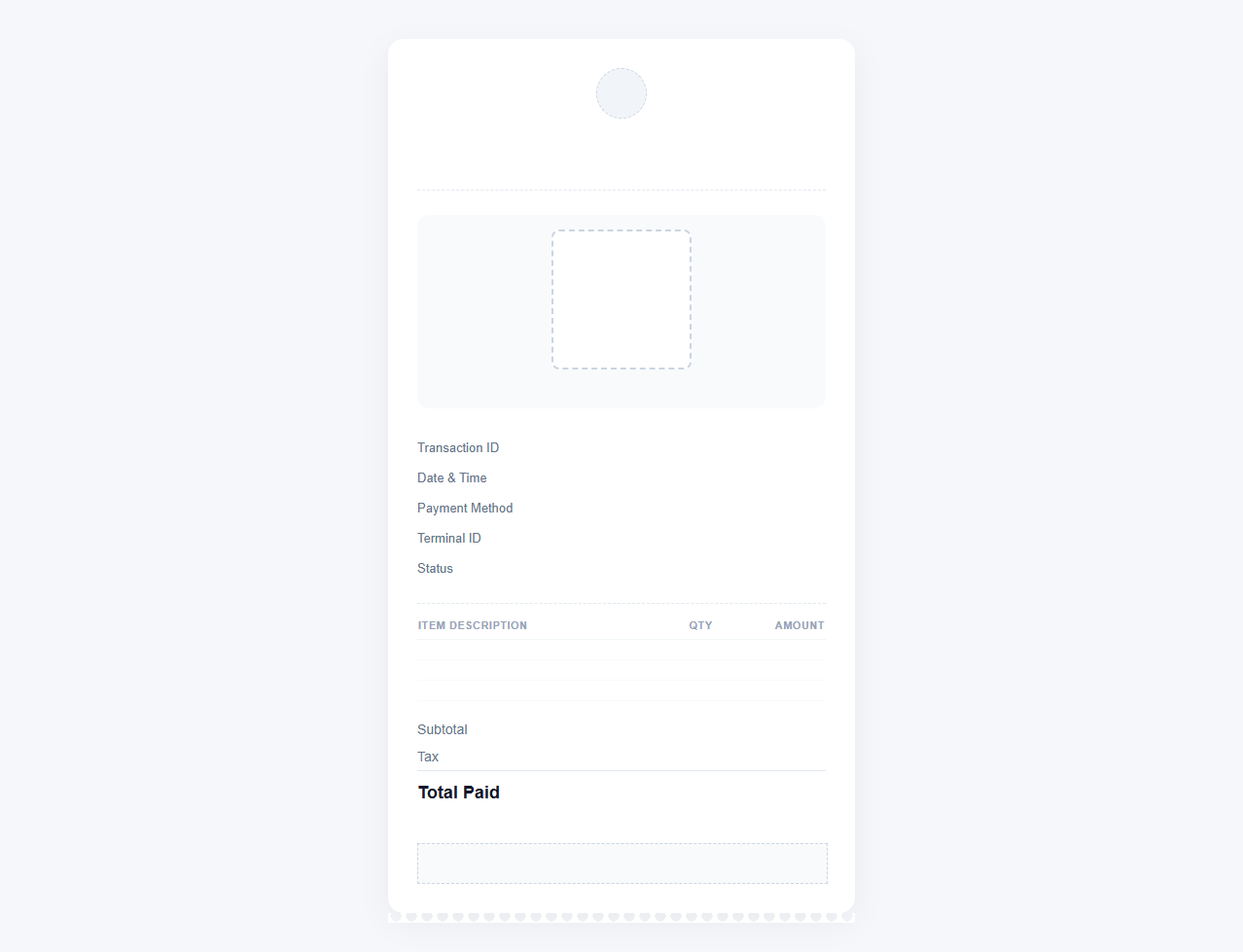 Download: .PDF
Instant Mobile Transfer Transaction Receipt
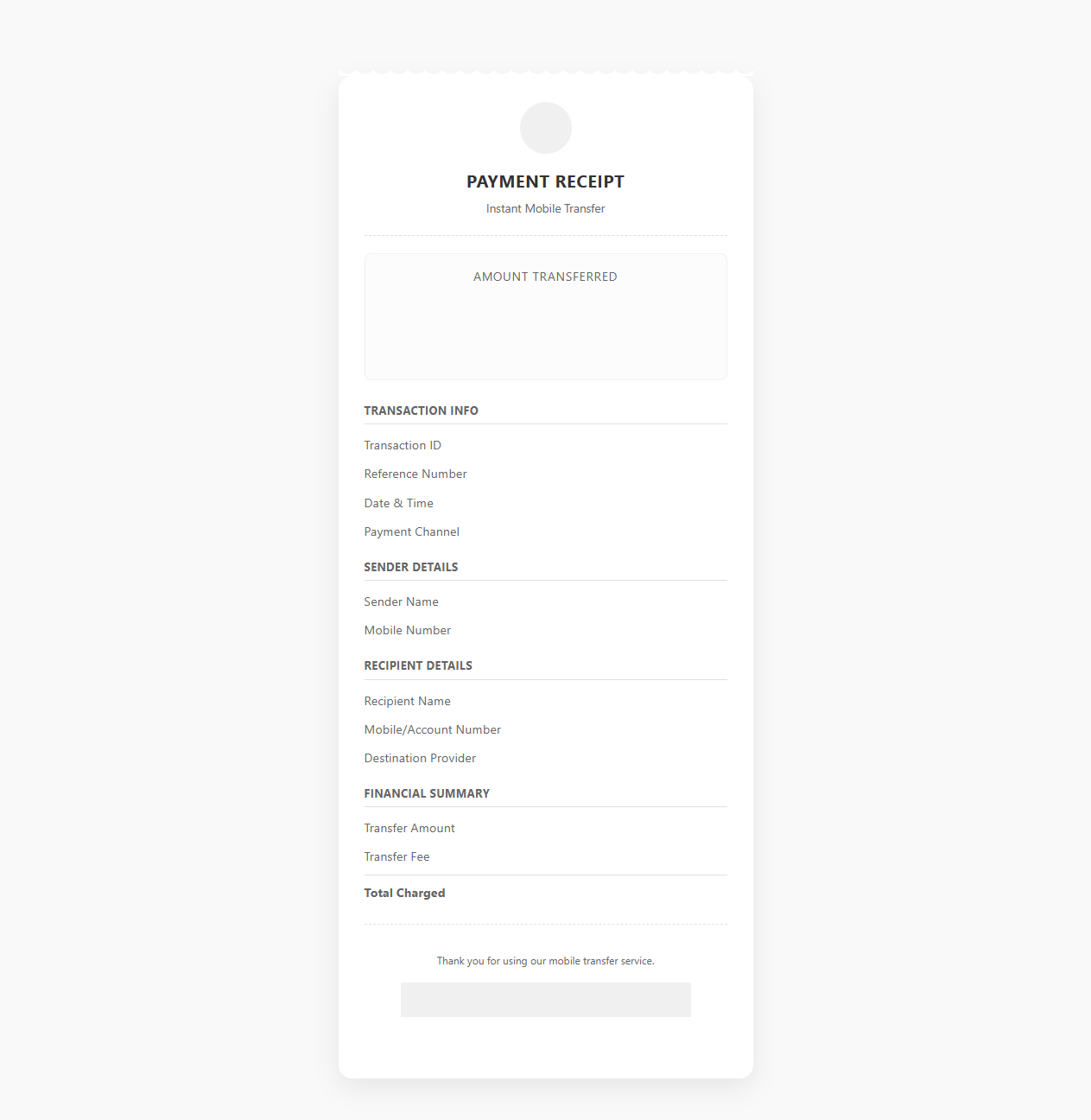 Download: .PDF
Peer to Peer Mobile Payment Receipt
 Download: .PDF
Mobile POS Cashless Payment Receipt Template
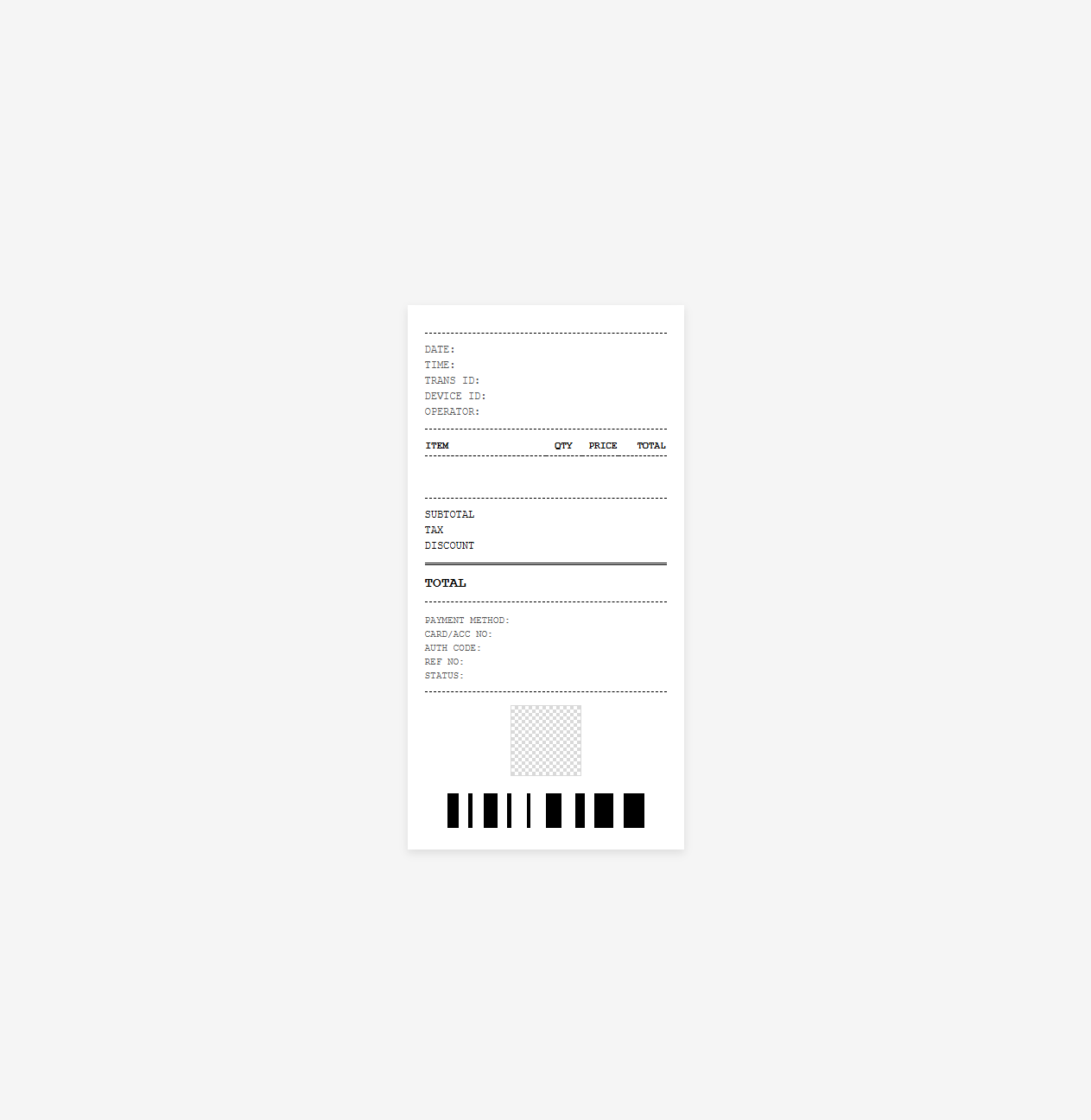 Download: .PDF
E-Wallet Purchase Confirmation Receipt Document
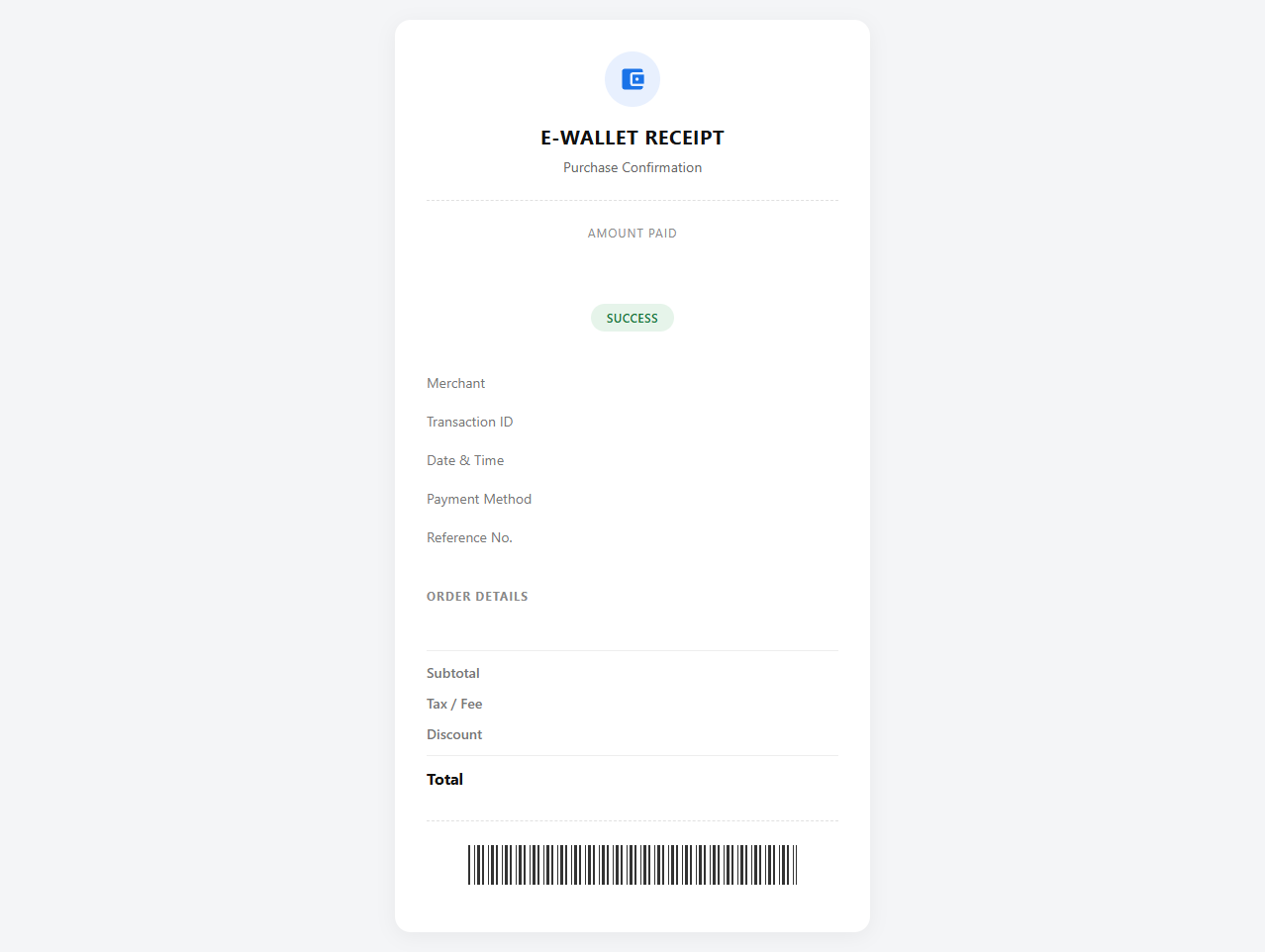 Download: .PDF
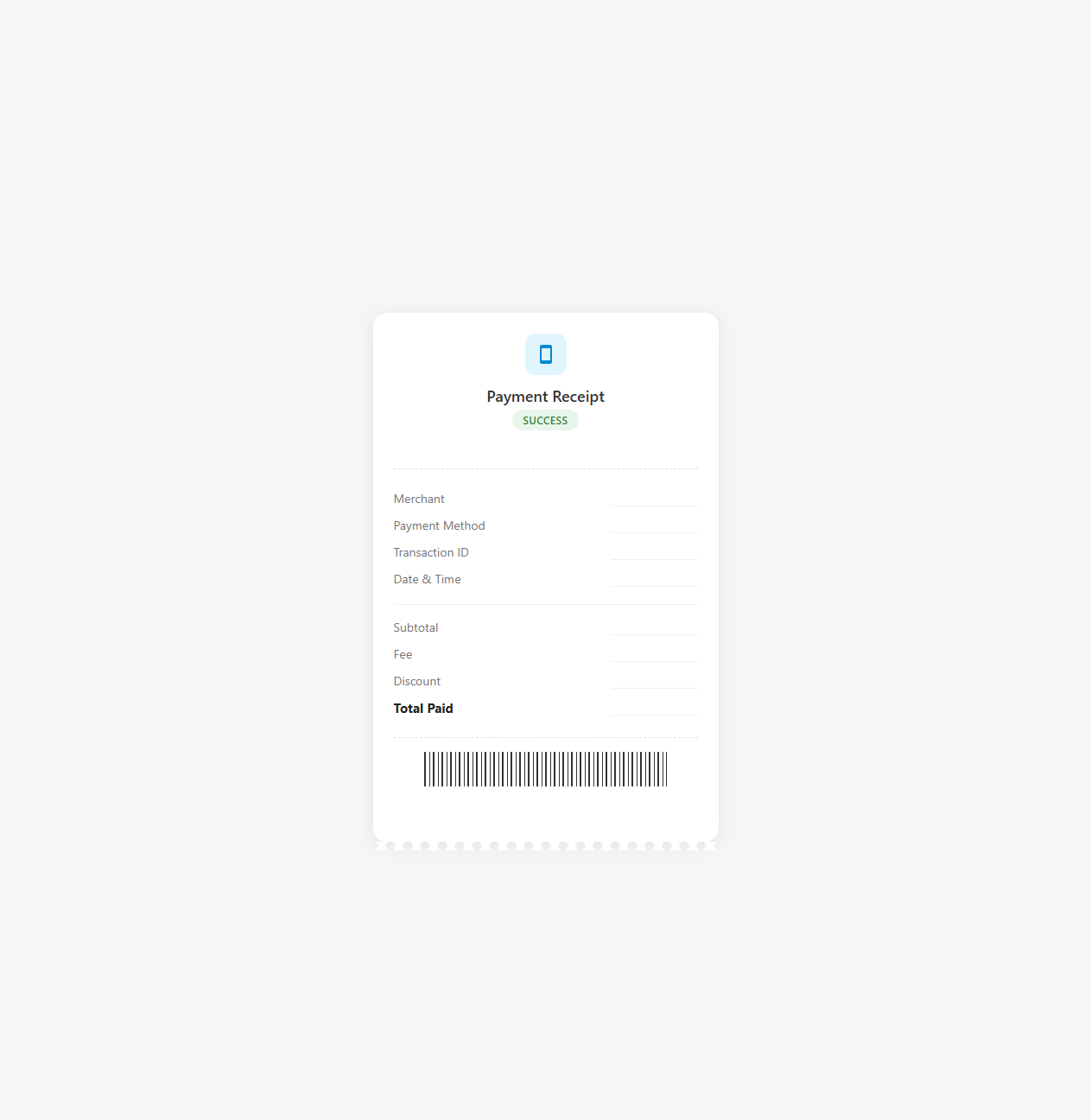
Smartphone App Payment Bill Receipt
 Download: .PDF
The Evolution of Mobile Transactions and Digital Proof of Purchase
The global commerce landscape has undergone a massive paradigm shift. With the rapid rise of contactless payments, mobile wallets, and instant bank transfers, consumers now expect transactions to be completed in milliseconds. In this frictionless ecosystem, paper receipts have become obsolete artifacts of a slower era. Modern businesses must treat digital proof of purchase not merely as a legal requirement, but as a critical touchpoint. Today's consumers demand immediate, transparent, and highly accessible transaction records right on their mobile screens. This shift has turned the humble receipt into a powerful tool for brand engagement and customer retention.
Building Brand Trust Through Professional Receipt Design
A digital receipt is often the final interaction a customer has with your brand during a transaction cycle. If this touchpoint is generic, poorly formatted, or difficult to read, it can spark immediate post-purchase anxiety. Conversely, a professional, branded receipt template builds confidence, reassures the buyer of their purchase validity, and significantly reduces merchant chargebacks by presenting recognizable billing descriptors clearly.
Beyond transactional security, the digital receipt acts as an underutilized post-purchase marketing channel. By integrating consistent brand colors, support channels, and personalized loyalty updates, merchants can seamlessly transition a transactional interaction into an ongoing relationship.
"Over 68% of consumers state that clear, professional, and instantly recognizable digital post-purchase communications directly increase their trust in a digital merchant."
Essential Anatomy of an Optimized Digital Receipt
To ensure high utility and compliance, a digital receipt template must be structured methodically. The layout should guide the reader's eye naturally from high-level merchant details down to the specific transactional line items and total charges.
- Transaction ID & Date
- A unique cryptographic or sequential identifier paired with the exact timestamp of the transaction for tracking and auditing purposes.
- Merchant Contact Details
- The official business name, support email, phone number, and physical address to ensure hassle-free customer support.
- Itemized List of Goods or Services
- A clear breakdown of purchased items, including quantities, unit prices, discounts, and specific product variations.
- Taxes, Fees, and Final Calculation
- An explicit display of the subtotal, applicable sales taxes, shipping fees, and the absolute total paid, paired with the payment method indicator.
Mobile-First Responsive Layouts for Instant Loading
Because most consumers retrieve their digital receipts via smartphone email clients or SMS links, responsive design is mandatory. A bloated layout that requires horizontal scrolling or excessive zooming will alienate users. Using fluid grids, lightweight system fonts, and inline CSS styles optimized for email clients ensures your receipts load instantly on any screen size.
@media only screen and (max-width: 600px) {
  .receipt-container {
    width: 100% !important;
    padding: 10px !important;
  }
  .item-price {
    display: block;
    text-align: left;
    margin-top: 5px;
  }
}
Ensuring Security and Compliance in Digital Billing
Handling transaction data requires strict adherence to privacy laws and cybersecurity protocols. Because digital receipts often contain sensitive personal information and purchase histories, protecting this data stream is vital for regulatory compliance and customer peace of mind.
- Adherence to GDPR and CCPA regulations regarding consumer data retention and the right to be forgotten.
- Compliance with PCI-DSS standards by never storing full cardholder data or CVVs in receipt generation databases.
- Implementation of end-to-end encryption (TLS/SSL) for all digital receipt delivery channels.
- Authentication protocols like SPF, DKIM, and DMARC to prevent receipt email spoofing and phishing attempts.
Automating Receipt Generation via Payment Gateways
Scaling your business requires an automated pipeline that instantly generates and dispatches receipts upon successful payment verification. Leveraging modern APIs allows you to trigger personalized templates the moment a gateway approves a charge.
- The customer initiates a purchase, and the system securely sends payload data to the payment gateway.
- The gateway processes the payment and returns a secure, automated webhook response confirming a successful transaction.
- Your backend server captures the webhook, parses the payment details, and maps them directly to your responsive HTML receipt template.
- The rendering engine populates the dynamic fields and dispatches the customized receipt via an SMTP transaction service instantly.
The Future of Post-Purchase Engagement
The digital receipt is transitioning from a static ledger to an active, interactive application. Tomorrow's transaction receipts will integrate live package tracking, real-time feedback loops, and dynamic loyalty point updates directly within the message body. By adopting these forward-thinking patterns, businesses can turn a routine administrative requirement into a thriving hub of customer engagement.
To implement these modern strategies and optimize your checkout experience, explore our comprehensive guide on transaction optimization systems.
Leave a comment