

For many accounting departments, month-end reconciliation often feels like solving a complex puzzle with missing pieces. Financial teams routinely waste valuable billable hours chasing down minor discrepancies between internal ledgers and external banking records.
This friction typically stems from the diverse, non-standardized formats used by various financial institutions, which complicates automated data ingestion. By adopting standardized checking account statement templates, organizations deploy a powerful mechanism that grants unparalleled visibility and slashes reconciliation cycles from days to minutes.
However, these templates are not instant cures; they require a baseline commitment to strict data integrity and consistent formatting rules. For example, mapping specific transaction codes-such as matching "ACH-DEP" labels to open customer invoices-is essential to prevent automated processing errors.
In this article, we will explore how to implement these standardized templates, normalize your banking data, and systematically eliminate recurring financial discrepancies.
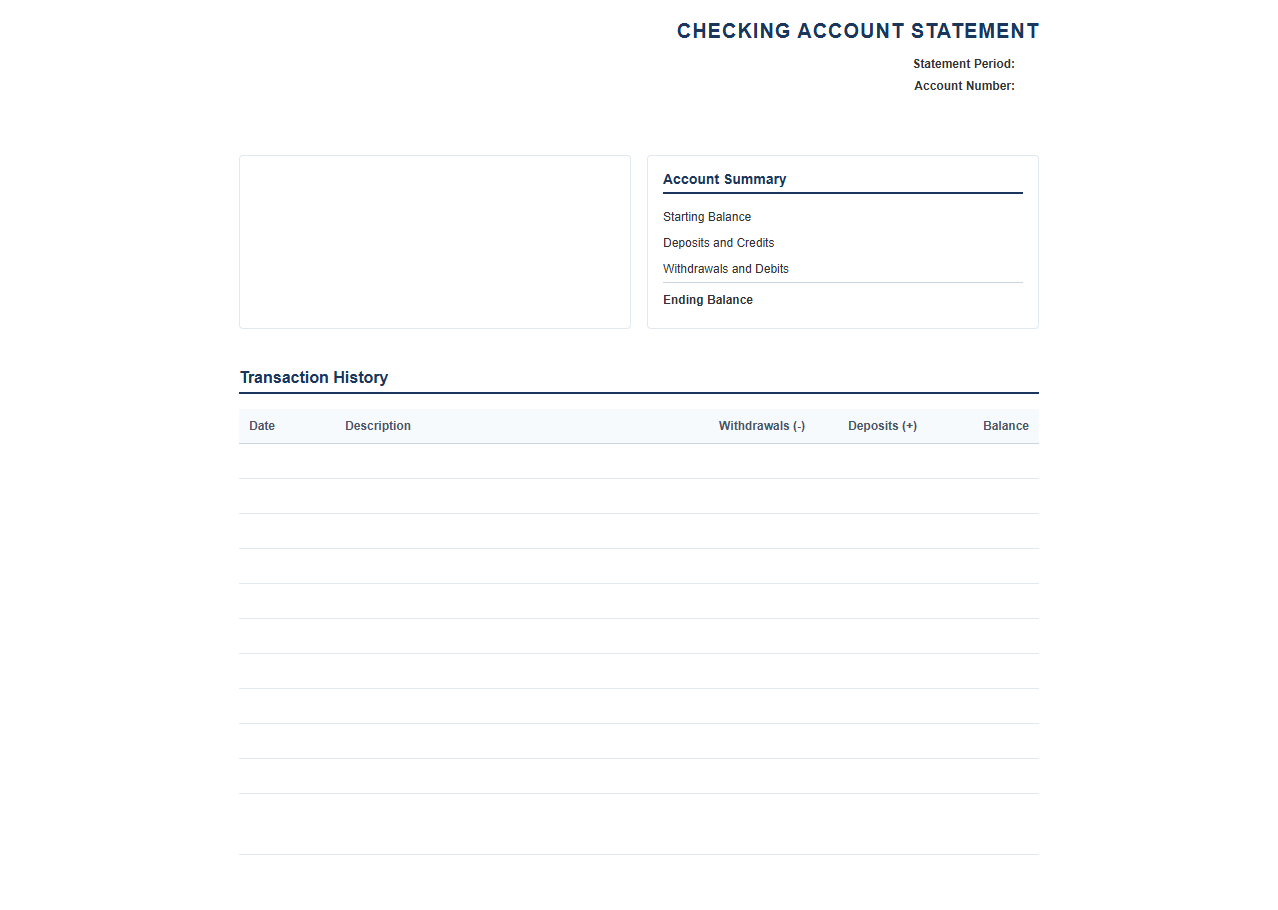
Checking Account Statement Template
 Download: .PDF
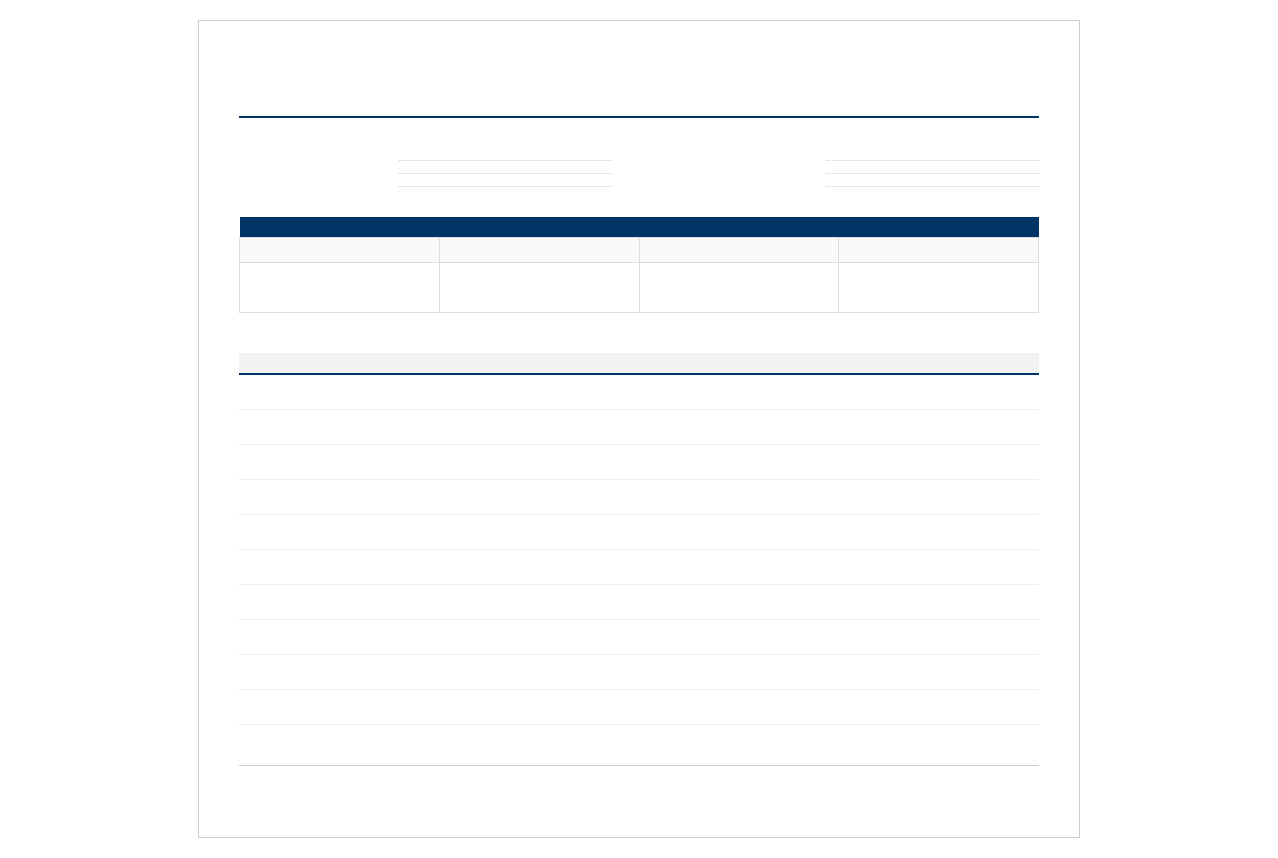
Monthly Checking Account Statement Layout
 Download: .PDF
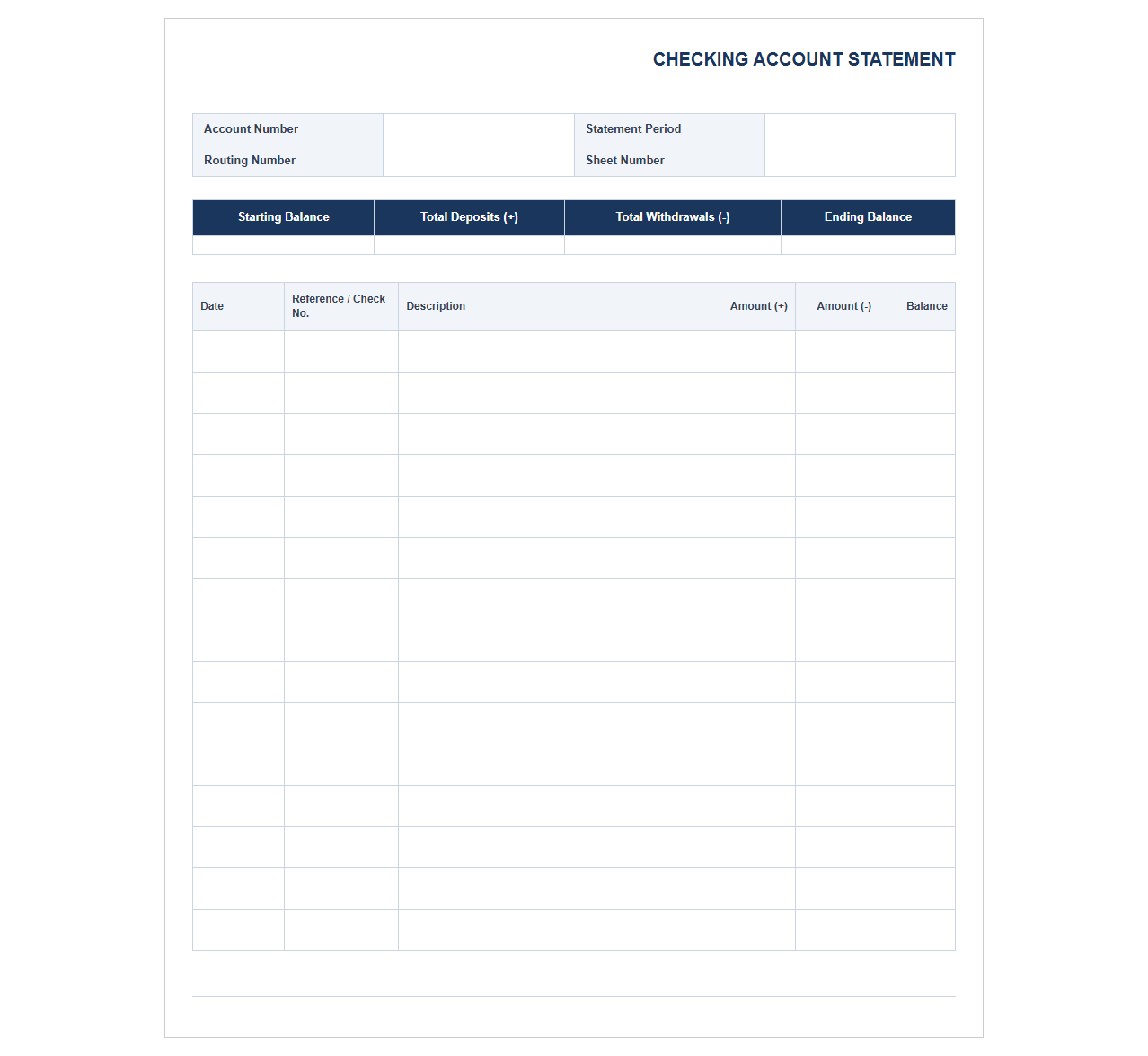
Checking Ledger Statement Format
 Download: .PDF
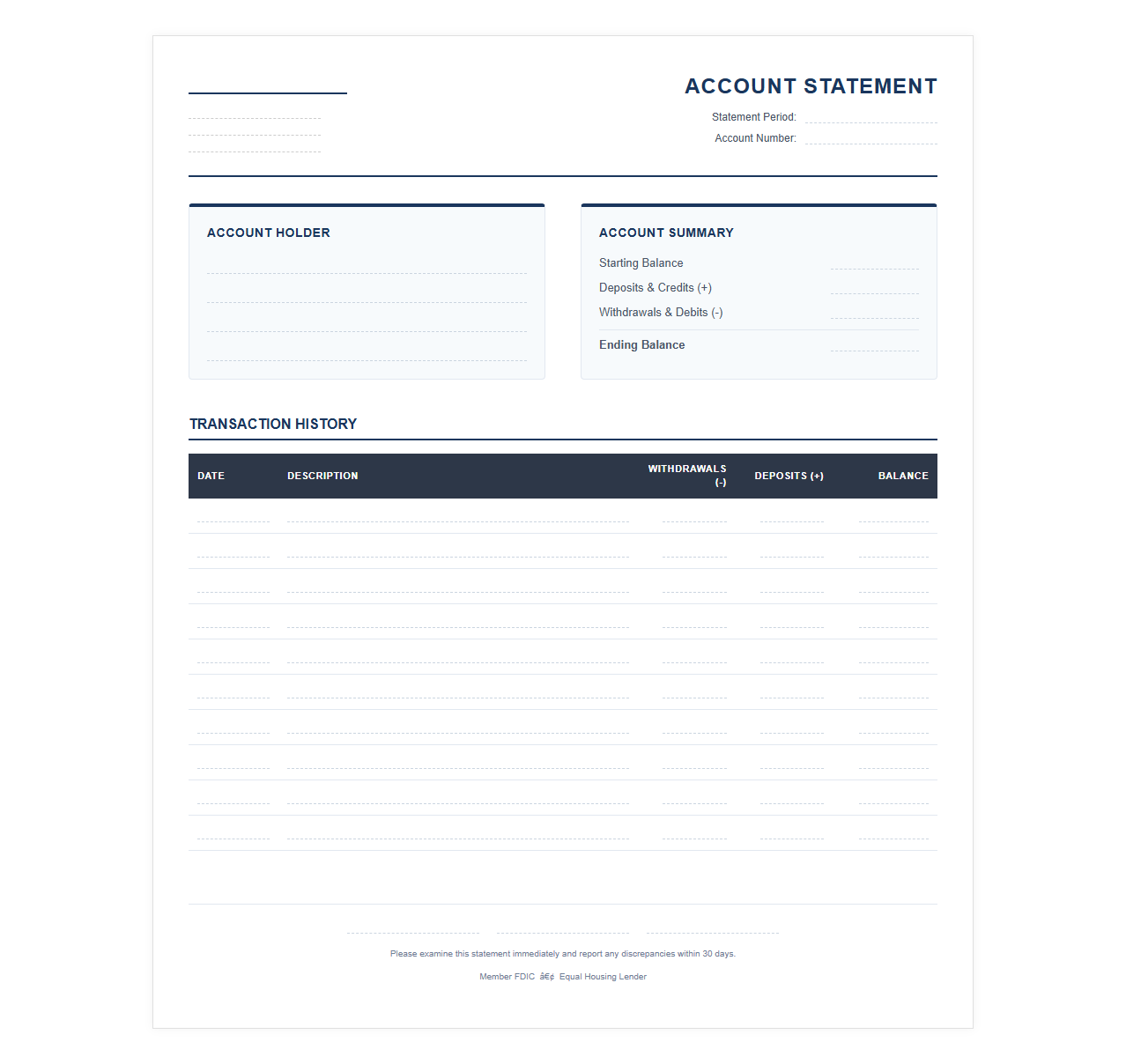
Bank Checking Account Statement Sheet
 Download: .PDF
Personal Checking Account Statement Template
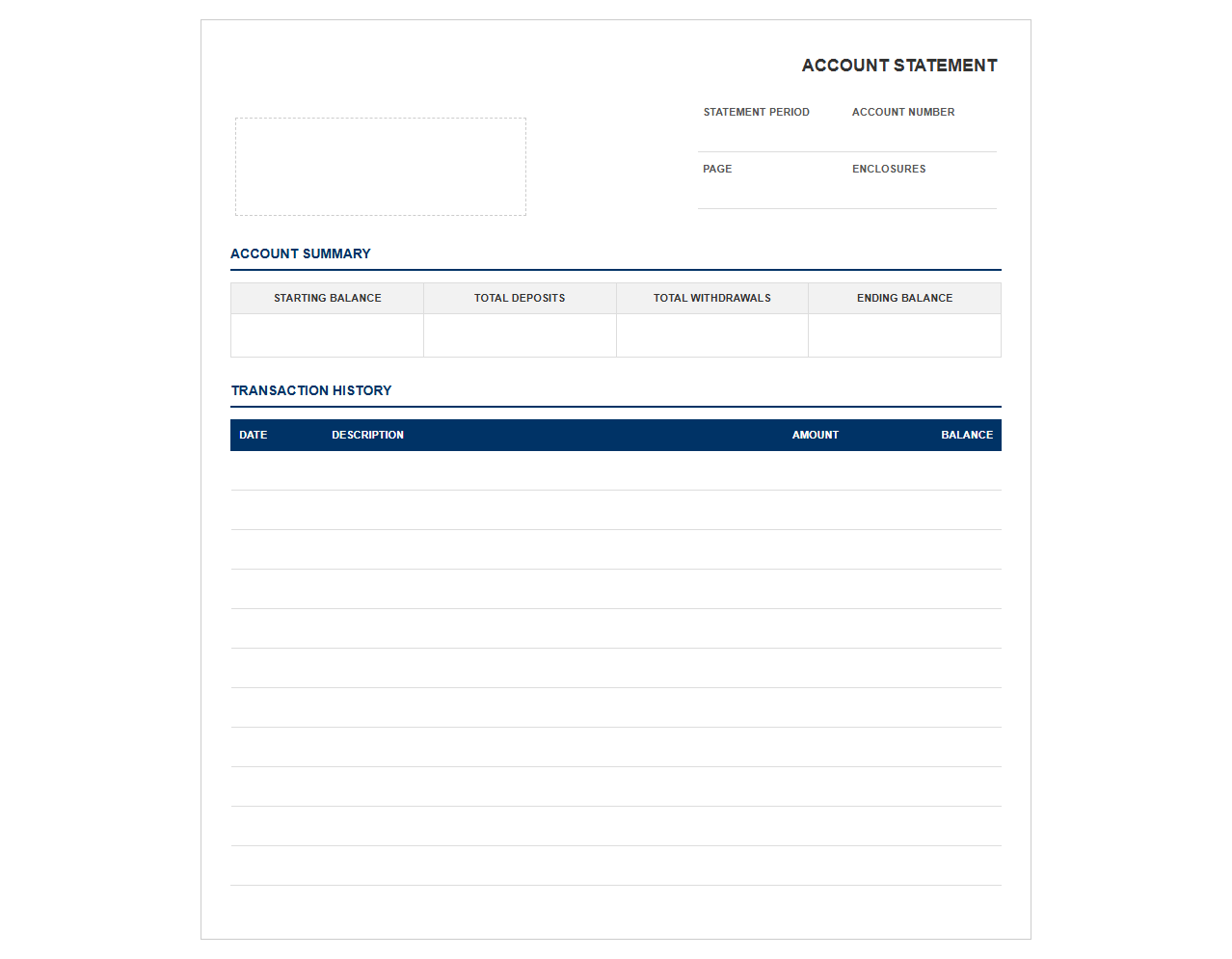 Download: .PDF
Business Checking Account Statement Layout
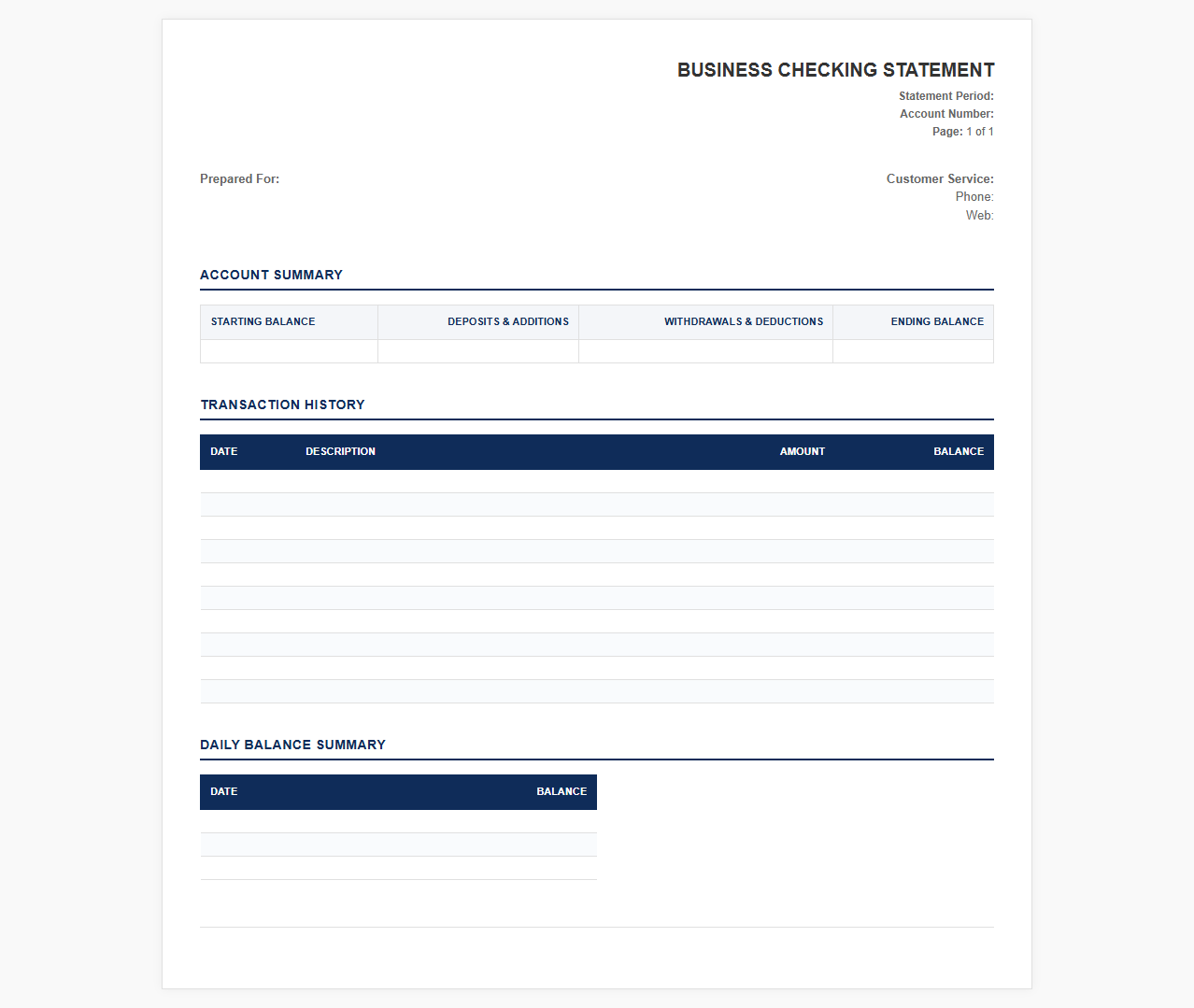 Download: .PDF
Checking Account Transaction Statement Template
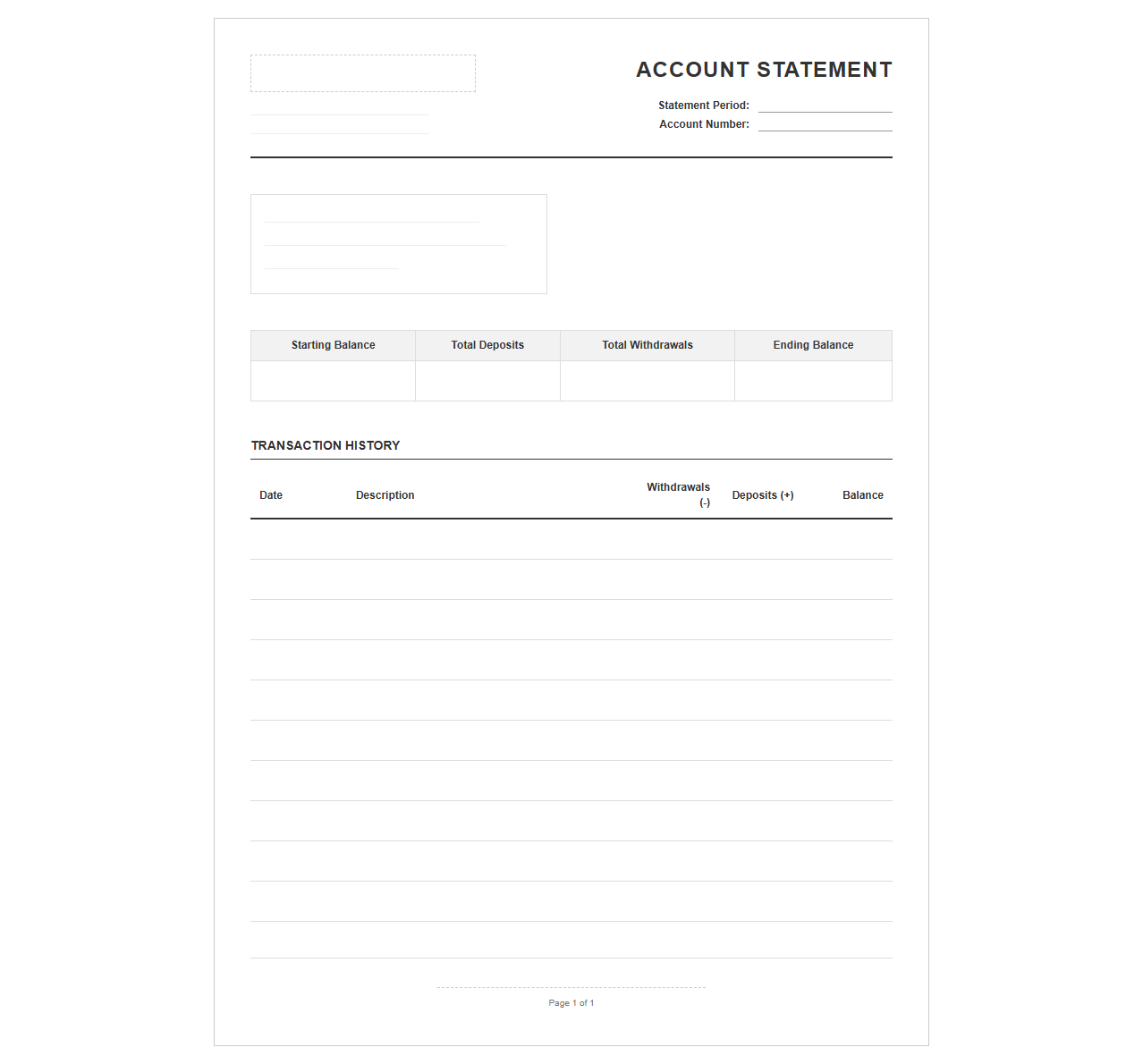 Download: .PDF
Electronic Checking Account Statement Format
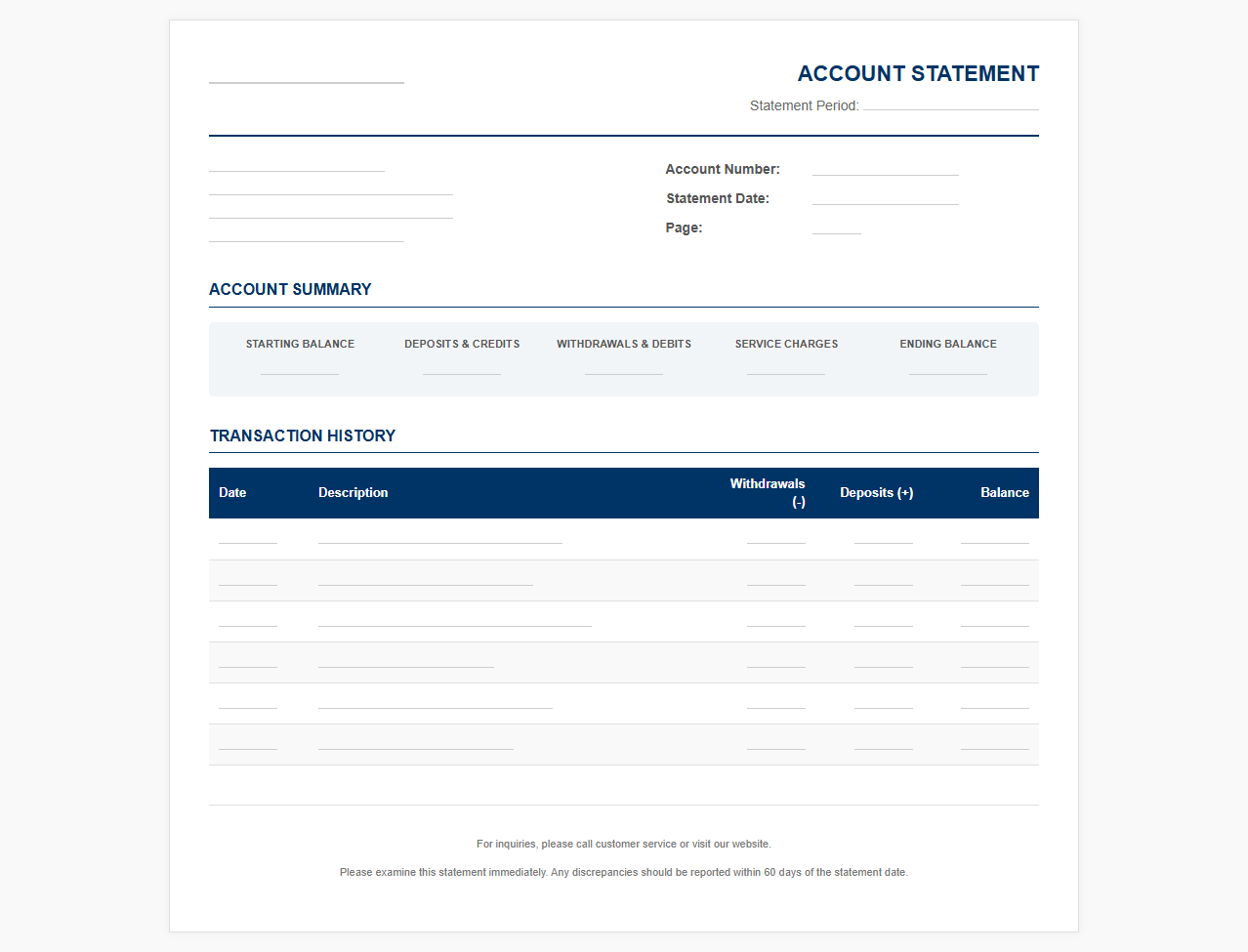 Download: .PDF
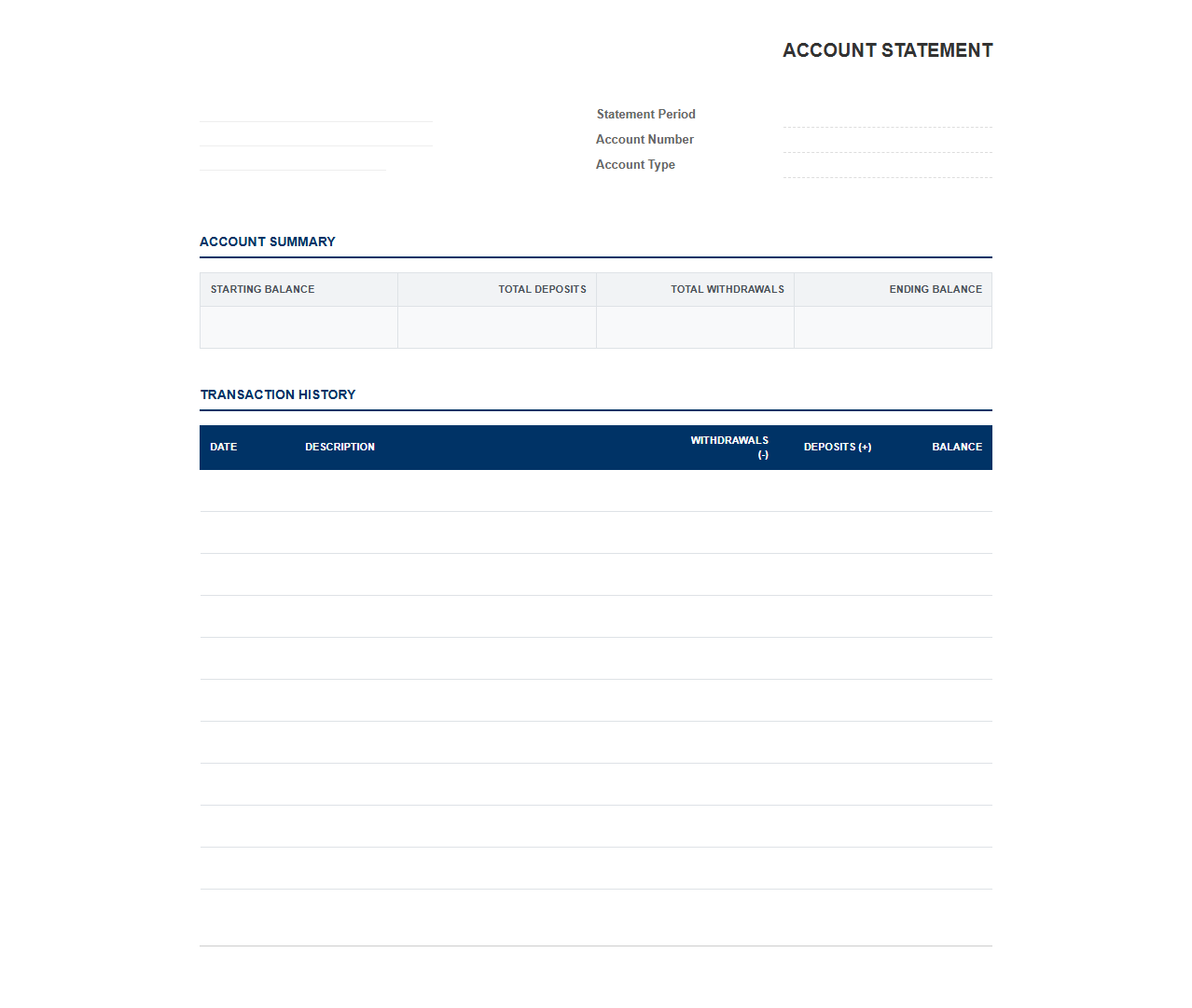
Standard Checking Account Statement Template
 Download: .PDF
Understanding the Impact of Financial Discrepancies
Even the smallest transactional oversight can trigger a cascading effect across a company's financial ecosystem. A minor decimal error or an unrecorded fee might seem negligible initially, but it can quickly disrupt business cash flow, lead to bounced payments, and distort your overall financial reporting. To regain control and maintain accuracy, businesses must establish a reliable baseline. Utilizing standardized statement templates serves as the crucial first step, providing a clean, predictable format to isolate and resolve inconsistencies swiftly.
The Anatomy of Standardized Checking Account Statements
Navigating your monthly transactions requires a clear understanding of how your financial data is structured. A standardized checking account statement organizes raw financial data into a highly readable layout, ensuring you can locate critical details at a glance. The essential fields typically include:
- Transaction Dates: The exact calendar days when funds were officially cleared or posted by the financial institution.
- Descriptions: Text details indicating the merchant name, location, or transaction type to help identify the charge.
- Deposits: All incoming funds, including credits, transfers, and direct deposits that increase the account balance.
- Withdrawals: Outgoing funds, such as debits, checks, ATM cashouts, and electronic transfers that decrease the account balance.
Pinpointing Common Bank Reconciliation Errors
Before you can fix discrepancies, you must understand what they look like. Several recurring errors tend to slip into business ledgers and bank statements alike, requiring careful investigation.
- Double Charges
- Occur when a single transaction is accidentally processed twice by a merchant or bank, leading to duplicate debits for a single purchase.
- Outstanding Checks
- Checks written and recorded in your internal ledger that have not yet been cashed or cleared by the recipient's bank.
- Bank Fees
- Service charges, overdraft fees, or maintenance costs assessed by the financial institution that were not previously logged in the internal ledger.
- Transposition Errors
- Accidental reversing of two adjacent digits (such as writing $89 instead of $98), causing frustrating, hard-to-find mathematical differences.
Step-by-Step Guide to Cross-Referencing Ledgers
Locating errors requires a methodical, chronological approach. Follow these sequential steps to cross-reference your internal books against standard bank statement templates:
- Gather your internal transaction ledger and the corresponding bank statement for the exact same timeframe.
- Compare the starting balances of both records to ensure they align perfectly before analyzing individual transactions.
- Tick off matching deposits, ensuring the dates and amounts correspond exactly between both documents.
- Match outgoing withdrawals and checks, noting any items present on the ledger but missing from the bank statement.
- Identify and note any unexplained differences, such as unrecognized fees or transposition errors, to compile your adjustment list.
Leveraging Digital Templates for Automated Matching
Manually comparing lines of data is incredibly time-consuming and highly prone to human error. By importing standardized CSV or Excel statement templates directly into modern accounting software, businesses can automate the reconciliation process. These digital systems instantly flag mismatches, allowing financial teams to focus only on resolving the anomalies rather than hunting for them.
Documenting and Reporting Discrepancies to Your Bank
Once an error is confirmed to be on the bank's side, you must take immediate formal action. Gather your supporting documentation-including receipts, ledger screenshots, and the relevant bank statements-and draft a formal dispute notification using this professional template:
Dear Customer Service Department,
I am writing to formally dispute an incorrect transaction on my account ending in [Last 4 Digits]. On [Date], a charge of [Amount] was posted under the description [Transaction Description]. This appears to be an error because [briefly explain the error, e.g., it was a duplicate charge / the actual receipt amount was lower]. Please find the attached supporting evidence and correct this discrepancy as soon as possible.
Sincerely,
[Your Name / Business Name]
Establishing Best Practices for Future Financial Health
Keeping your business financially secure requires consistent maintenance rather than occasional crisis management. Establishing a strict weekly or monthly reconciliation schedule prevents minor issues from compounding into unmanageable cash flow hurdles. By archiving standardized digital templates in a centralized system, you create an auditable paper trail that protects your business. Regular oversight ensures that you catch errors early, keeping your accounts balanced and your operations running smoothly.

Leave a comment